
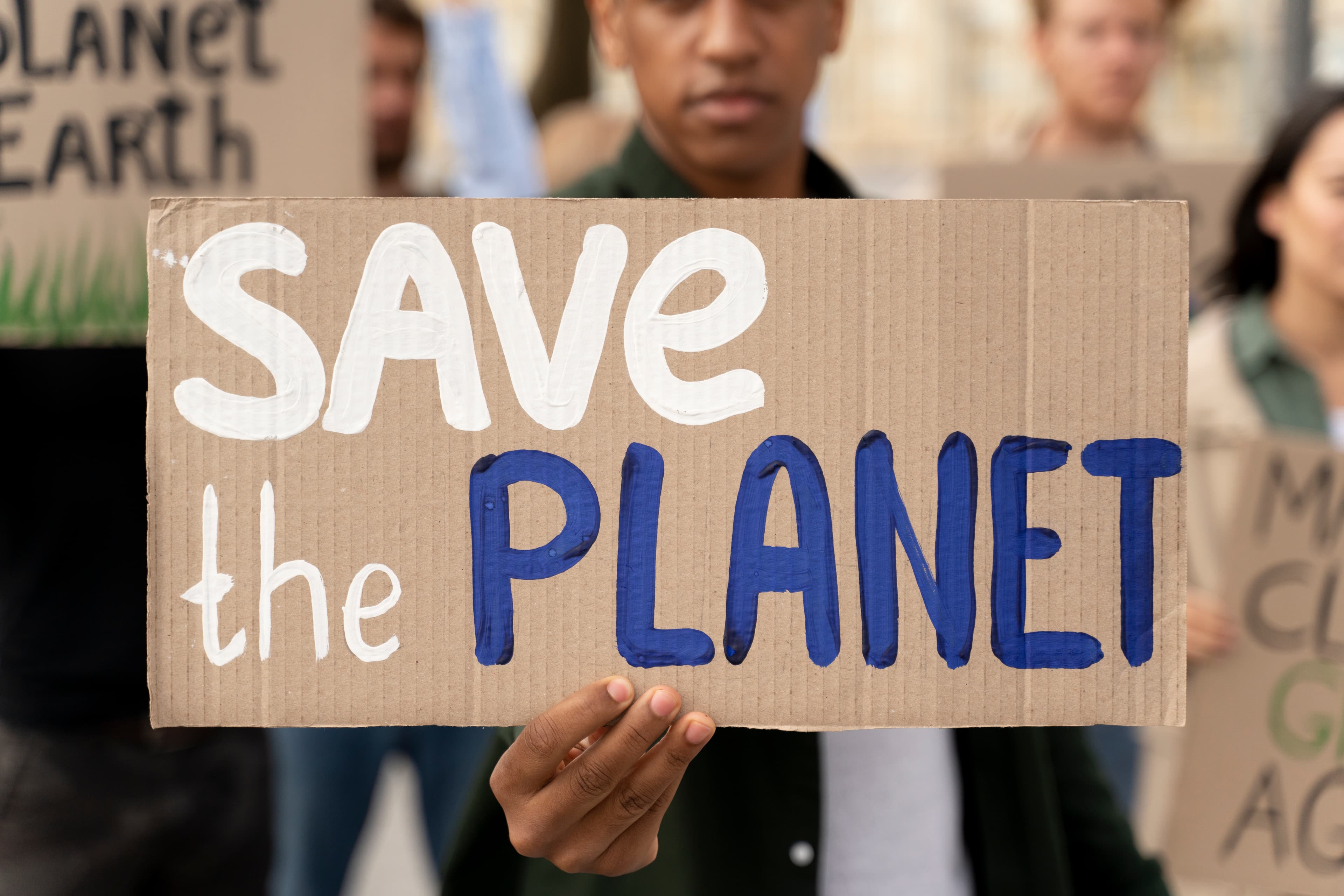
The End of Paper Trails. How Moving Your Property Portfolio to the Cloud Supports Climate Action
Posted on Feb 10, 2026
For many landlords and estate managers, paper still quietly runs the business.
Receipts in files. Statements in folders. Agreements printed, copied, and reprinted. On the surface, it feels familiar and harmless. But behind the scenes, it creates two growing risks: operational strain and environmental waste.
As property portfolios grow, paper multiplies. So do errors, delays, and emissions tied to printing, storage, transport, and rework. What once worked for a few units becomes unsustainable, for the business and for the environment.
The move away from paper isn’t just about efficiency anymore. It’s about responsibility.
Paper Is a Hidden Environmental Cost in Property
Paper systems don’t just consume time, they consume resources.
Every printed statement, receipt, or notice carries a footprint: trees cut, water used, energy consumed, and carbon emitted through production and transport. When documents are reprinted due to loss or corrections, that footprint doubles.
In property, where communication is frequent and recurring, this adds up quietly but significantly over time.
Reducing paper use is one of the simplest, most immediate climate actions a property portfolio can take, without affecting tenants or income.
What “Going to the Cloud” Actually Changes
Transitioning to the cloud doesn’t remove people from the process. It removes repetition and waste.
Rent records are captured once and reused accurately. Statements are generated without printing. Tenant communication happens without envelopes, transport, or physical storage. Documents are accessed digitally instead of reproduced endlessly.
The result is fewer resources used and fewer errors created.
From a climate perspective, this means lower demand for paper, reduced energy use, and less physical movement tied to administration. From a landlord’s perspective, it means clarity and speed.
Both benefit.
A Smarter Transition, Not a Disruptive One
Climate action in property doesn’t require radical change. It requires intentional change.
The transition should start with the most repetitive paper processes: rent statements, receipts, and tenant records. These are high-volume and low-value when printed, but critical when digitised.
By centralising records, landlords reduce printing, storage, and courier needs, while also improving transparency. Tenants receive clearer communication. Managers spend less time reconstructing information.
Nothing is taken away. Waste is simply removed.
Sustainability That Protects Income
There’s a misconception that sustainability is expensive or slow. In property, it’s often the opposite.
Clear digital records reduce disputes, late clarifications, and mistrust. Faster access to information improves decision-making. Less administrative friction means more time spent maintaining assets and tenant relationships.
Environmental responsibility and financial discipline align more closely than many realise.
The Future of Property Is Accountable
Modern property portfolios are expected to be transparent, not just financially, but socially and environmentally.
Moving away from paper is a small but meaningful step toward responsible ownership. It signals care for systems, people, and the future those assets will operate in.
The end of paper trails isn’t about trends or technology.
It’s about building property businesses that are resilient, accountable, and conscious of their impact.
And in a changing climate, doing less harm while doing better business is no longer optional, it’s the standard.
Posted on Feb 10, 2026